

The eagerly anticipated biographical drama Moss & Freud, detailing the extraordinary artistic relationship between supermodel Kate Moss and late painter Lucian Freud, is already facing pointed criticism following its early screenings.
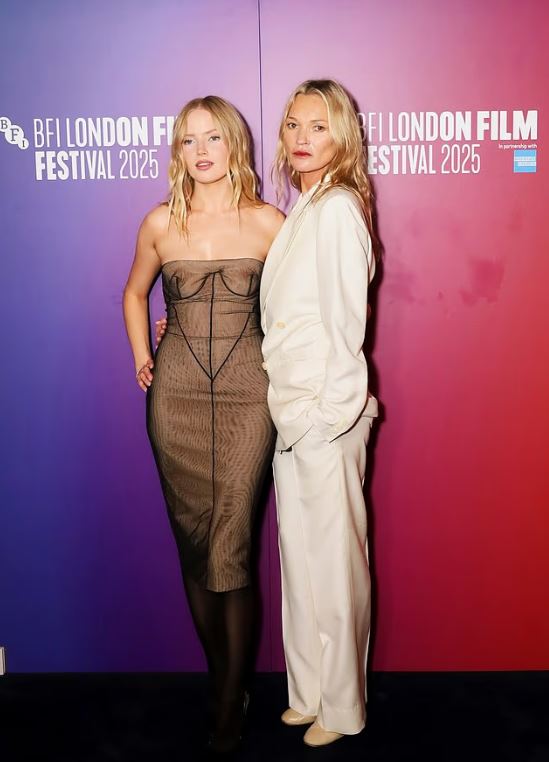
Directed by James Lucas and executive-produced by Moss herself, the film attempts to pull back the curtain on the intensely private nine-month process of creating Freud’s famous nude portrait, but according to some initial reactions, it falls short of capturing the story’s legendary allure.
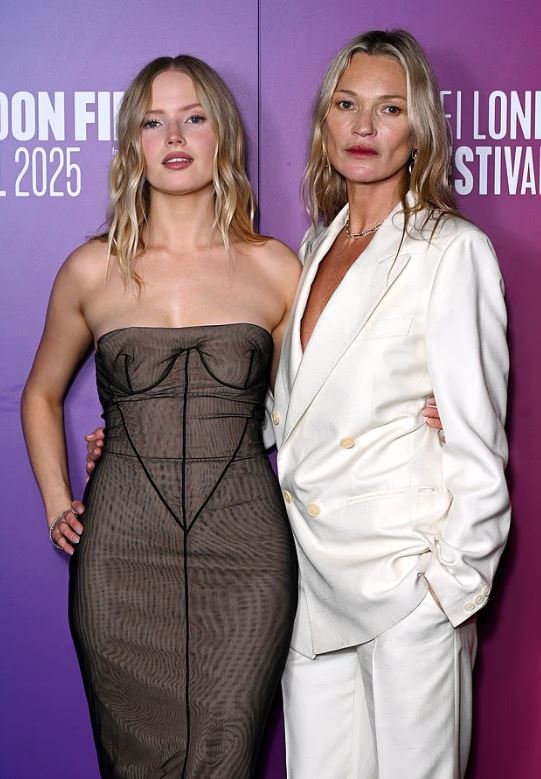
The film’s focus is firmly set on the creation of the painting and the unlikely, evolving friendship between the two British icons, rather than the finished canvas that sold for millions. The dramatic tension is built around the strict parameters of the sittings: Moss, pregnant with her daughter Lila at the time, posed three evenings a week at Freud’s Holland Park studio “until it is finished.”
This demanding commitment, which stretched over three-quarters of a year, formed the crucible for their close bond, one made even more intriguing by the more than 50-year age gap separating the 80-year-old artist and the supermodel in her late twenties.

The screenplay details how Moss herself initiated the decision to pose completely nude, a powerful response to Freud’s artistic philosophy—a desire “to get to the core of the being.” This core narrative, highlighting a time of profound personal transition for the model and a late-career fascination for the artist, is rich with potential.
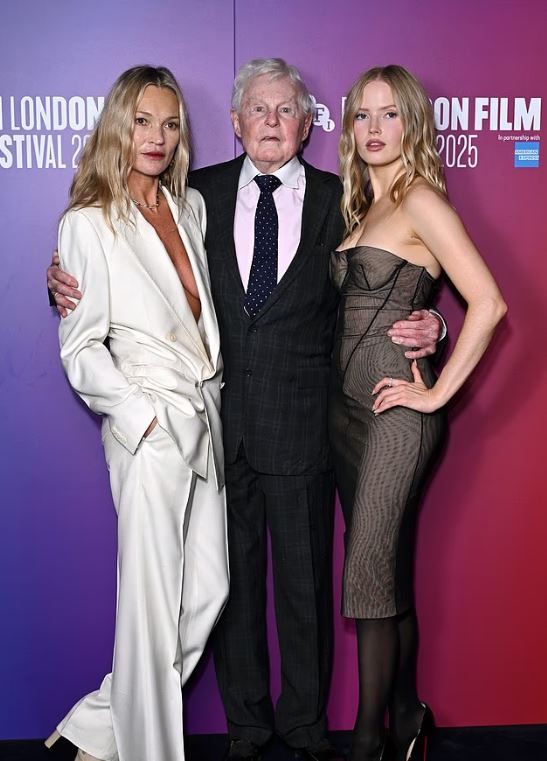
However, despite the inherent intrigue of this material, the film is judged harshly on its execution. Critics argue that Moss & Freud “doesn’t tell it especially well,” citing a failure to translate the rumoured dynamic into compelling cinema.
The major disappointment appears to be the inability to genuinely convey the spark between the two protagonists, with one reviewer lamenting that the production “never quite capturing the chemistry between the mighty artist and his beguiling subject.”
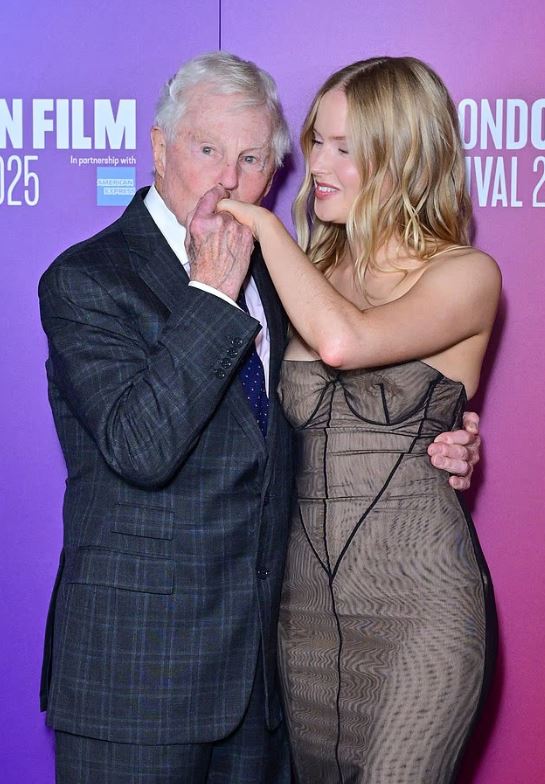
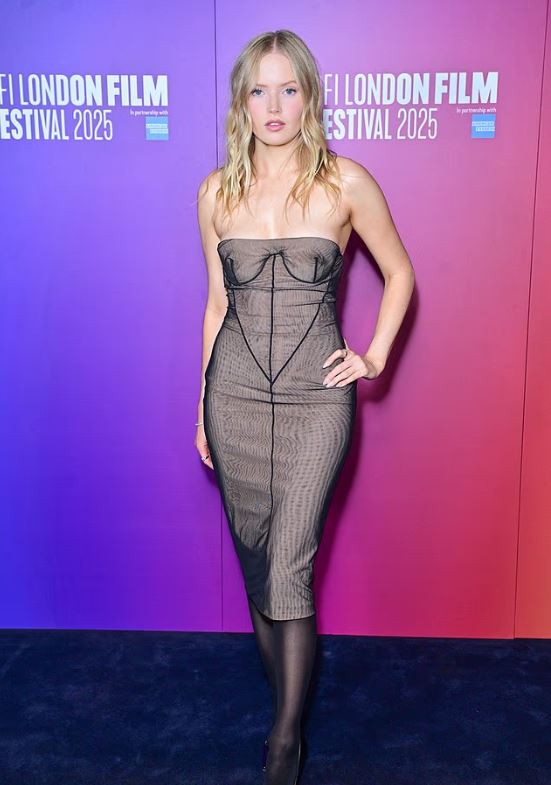
With Ellie Bamber portraying Moss and Derek Jacobi as Freud, the film has the backing of both Moss and the Freud estate, suggesting a definitive, authorized account of the relationship. Yet, the initial takeaway is that the dramatic retelling is too controlled or simply too subtle, missing the electric rapport that one might expect from two figures famous for their unconventional lives and commanding personalities.
The challenge for director Lucas was to dramatize the stillness of the sittings while illuminating the deep psychological connection, a feat the film reportedly doesn’t master.
As Moss & Freud rolls out for wider release, the question remains whether its technical commitment to accuracy can overcome the critique that it lacks the visceral spark of the life it portrays.