
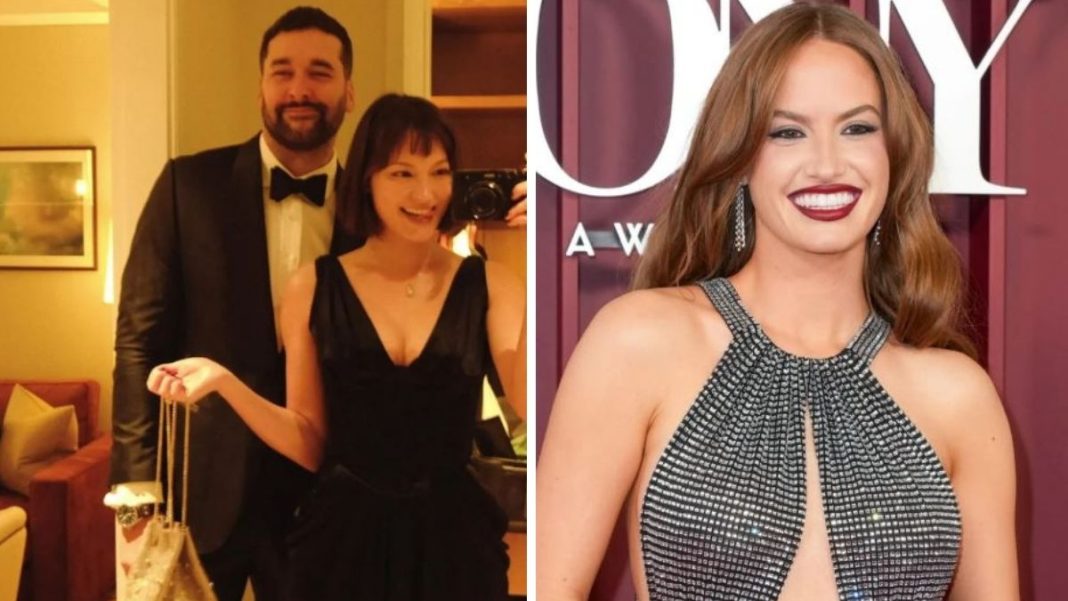
Former NFL offensive tackle Matt Kalil has filed a lawsuit against his ex-wife, model and social media personality Haley Baylee, alleging invasion of privacy following comments she made publicly about their marriage and divorce.
Kalil, 36, who previously played for the Minnesota Vikings, Carolina Panthers, and Houston Texans, is seeking legal action after remarks Baylee made during a podcast appearance were widely circulated online.
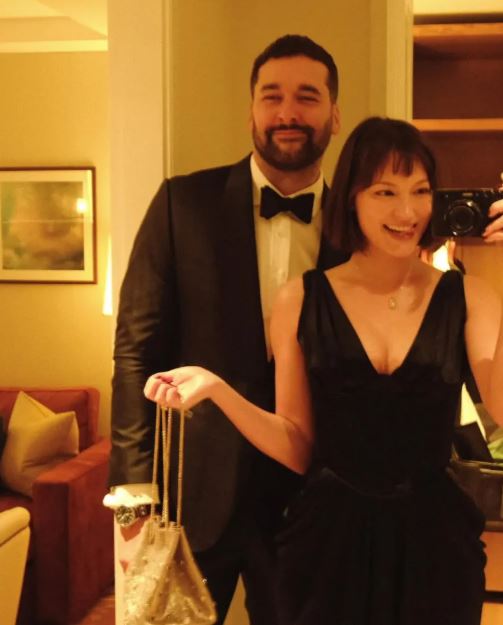
According to court filings reported by multiple outlets, Kalil claims the comments included highly personal details about their former relationship and were shared without his consent.
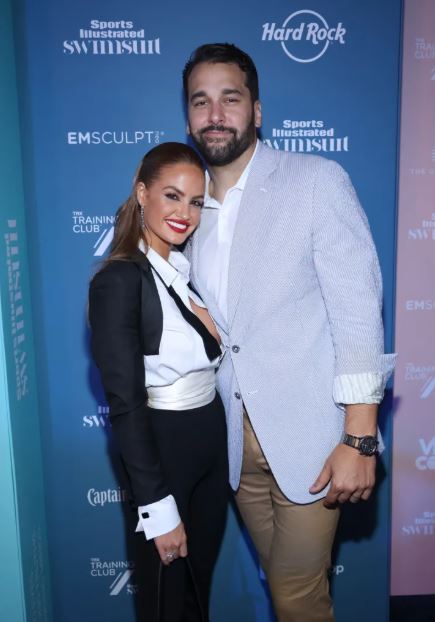
The former couple were married for seven years before separating in 2022.
Their divorce attracted limited public attention at the time, as Kalil had largely stepped away from the spotlight following his retirement from professional football in 2019.
However, recent online discussions have brought renewed focus to their past relationship.
Lawsuit Alleges Invasion of Privacy and Emotional Harm
In the lawsuit, Kalil alleges that Baylee’s statements amounted to an invasion of privacy and resulted in unwanted public scrutiny.
Legal documents claim the remarks led to widespread online commentary, forcing Kalil and his family to endure what he describes as degrading and deeply personal discussions in public forums.
According to reports, Kalil argues that the comments have interfered with his ability to maintain a private life after leaving professional sports.
The filing reportedly states that he has been subjected to ongoing attention that he neither sought nor welcomed, despite no longer being an active public figure.
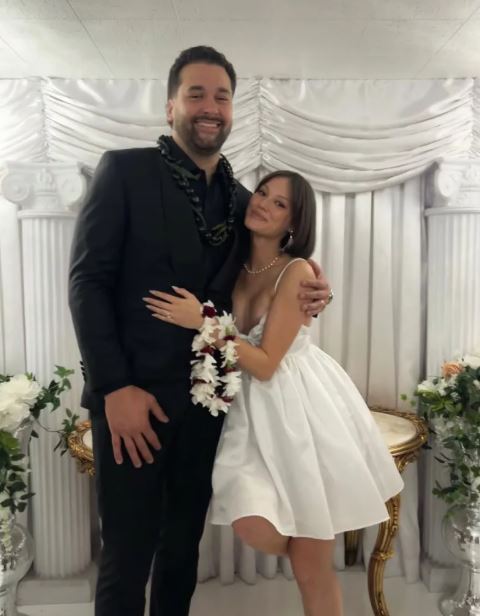
The lawsuit also alleges that the situation has affected Kalil’s current marriage. He remarried in 2024, tying the knot with model Kailani Asmus.
Court documents reportedly include examples of social media messages allegedly sent to Asmus, which Kalil claims have become increasingly frequent and distressing.
In addition to invasion of privacy, the lawsuit includes a claim of unjust enrichment.
Kalil alleges that Baylee financially benefited from increased online traffic and attention following the podcast appearance and subsequent media coverage.
The legal filing reportedly seeks damages exceeding $75,000 and requests a jury trial.
Kalil’s legal team argues that the statements were unnecessary, intrusive, and caused lasting reputational and emotional harm.

While the lawsuit does not seek to restrict Baylee’s freedom of speech broadly, it asserts that sharing intimate details of a private marriage crossed a legal boundary, particularly given Kalil’s efforts to remain out of the public eye since retiring from football.
Baylee has publicly responded to the lawsuit, expressing disappointment over the legal dispute.
In a statement shared with media outlets, she described the litigation process as emotionally taxing and said she was saddened by the impact the case could have on both families.
She emphasized that the situation has been difficult and suggested that the public nature of the lawsuit itself has compounded the emotional strain.
As of now, Baylee has not issued a detailed legal response addressing the specific claims in the filing.
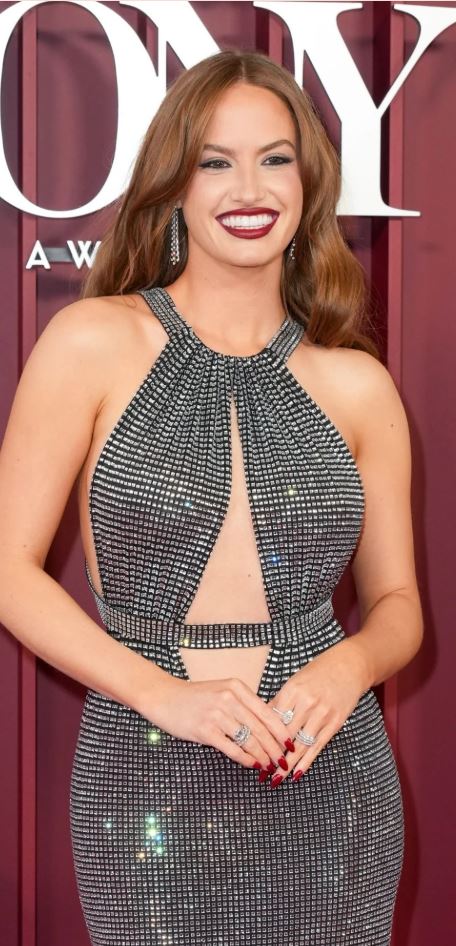
Matt Kalil was selected fourth overall by the Minnesota Vikings in the 2012 NFL Draft and quickly established himself as a starting offensive tackle.
After leaving the Vikings in 2016, he went on to play for the Carolina Panthers and later the Houston Texans before officially retiring in 2019.
Since leaving professional football, Kalil has maintained a relatively low profile, focusing on family life and staying largely out of the media.
His lawsuit emphasizes that this privacy was disrupted by the recent public discussion of his personal life.
The case has sparked renewed discussion around privacy rights, particularly for former athletes and public figures who no longer actively seek attention.

Legal experts note that while public figures are subject to a higher level of scrutiny, there are limits when it comes to sharing intimate details of private relationships.
As the case moves forward, it may offer further clarification on where courts draw the line between personal storytelling and legally actionable invasion of privacy.
At the time of writing, no court date has been publicly announced, and representatives for both parties have declined to comment further.
The outcome of the lawsuit could have implications beyond the individuals involved, especially as podcasts and social media platforms continue to blur the boundaries between personal expression and public disclosure.